
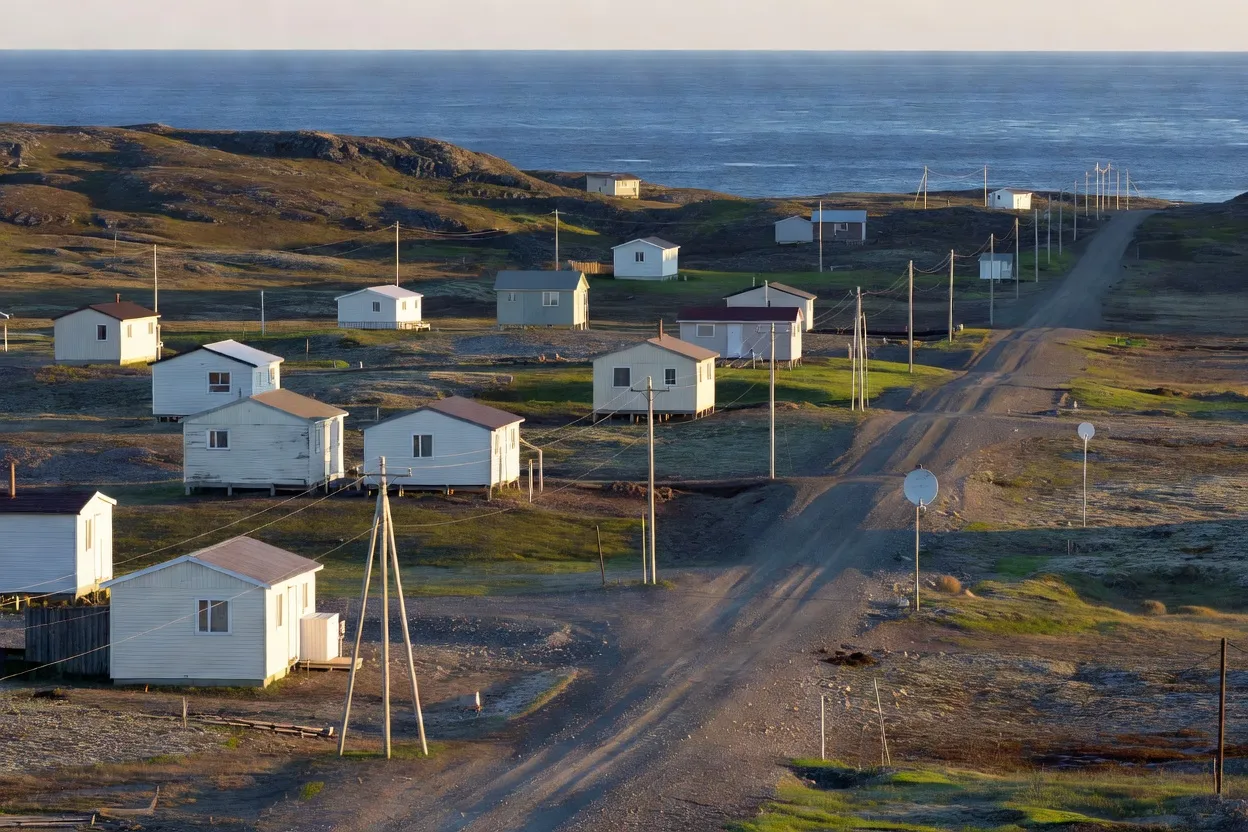
Nunavik has 14 villages and 14,045 residents in the 2021 census. The regional internet network is managed by the Kativik Regional Government (KRG) through Tamaani Internet, launched in 2004. This article reviews fibre optic, Starlink and the Telesat Lightspeed satellite, based on published schedules.
From geostationary satellite to fibre
For years, Nunavik’s villages connected to the world by satellite. In November 2015, the KRG, which runs Tamaani Internet, chose SES for a $15.7 million satellite services contract. Regional bandwidth was to rise from 1.5 Mbps to 4 Mbps by September 2016. At the time, Tamaani had about 3,000 customers.
In August 2018, a $125 million project (Tamaani Internet phase 5), co-funded by the federal and Quebec governments, was announced.
Fibre along the Hudson Bay coast
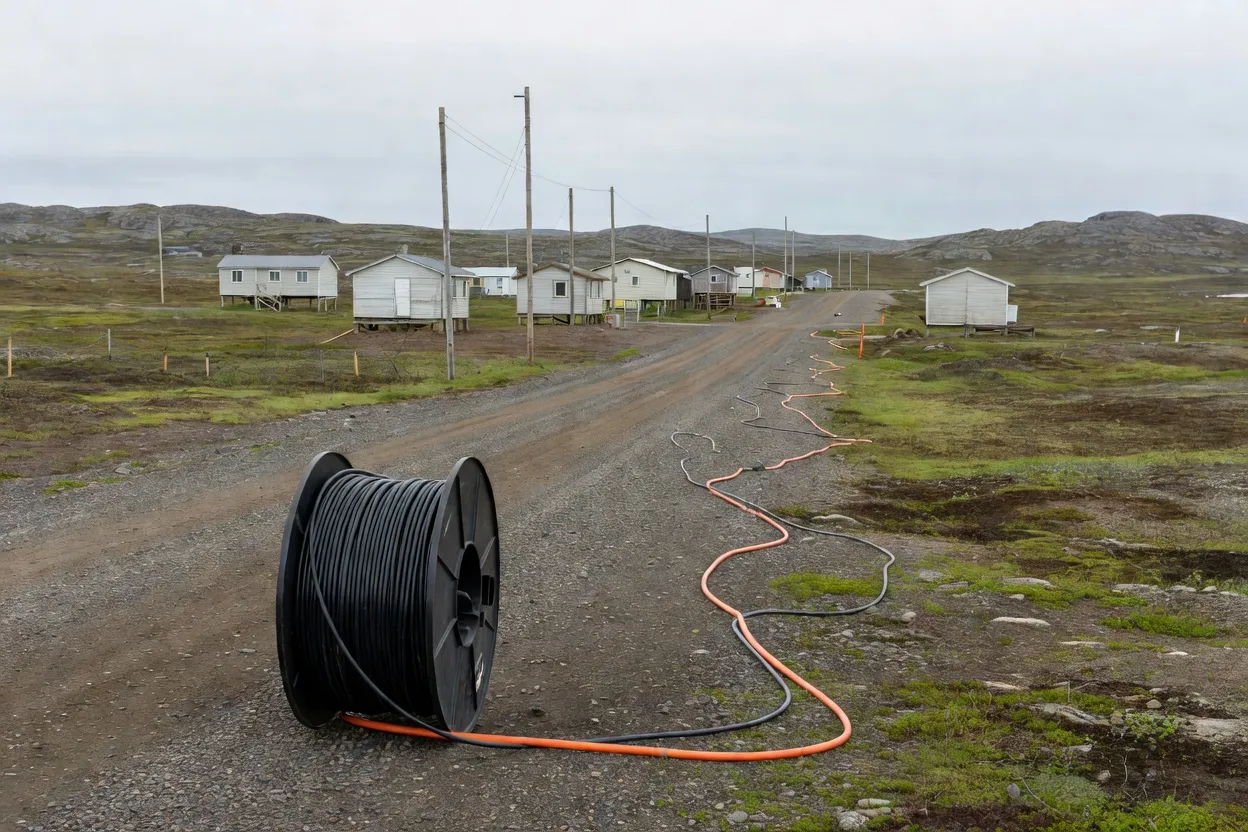
Tamaani’s fibre network is being built in phases:
- Phase 1: completed in June 2022, it connects Kuujjuaraapik, Umiujaq, Inukjuak and Puvirnituq to the Chisasibi fibre network.
- Phase 2: work reaching Akulivik, Ivujivik, Salluit and Deception Bay was largely completed according to Nunatsiaq News (August 13, 2025), which places most of the work in February.
- Overland route: the Kuujjuaq–Kawawachikamach route is scheduled to be completed by summer 2027.
- Phase 3 (EAUFON 3): an underwater cable is to connect the seven Ungava villages, from Kangiqsujuaq to Kangiqsualujjuaq. Work is scheduled to start in August 2027 and finish in 2028 (schedule announced in August 2025 and subject to change).
Delays were attributed to a lack of available ships. The KRG held public consultation sessions in the communities from late June to early August 2025. In Quaqtaq, residents were concerned about the effect on hunting: a landing site a little further from the village was proposed and accepted. According to the KRG, Tamaani’s fibre network will cost less and provide faster service, and high-speed internet will create local business opportunities and improve online access to education.
The network is not immune to outages: an outage on September 2, 2024 affected Hudson Coast communities from Kuujjuaraapik to Salluit. Tamaani gave each active residential customer a $100 service credit.
Starlink, an interim solution
Key takeaway: in Nunavik, Starlink is used as a temporary relay, not a permanent solution. Fibre remains the KRG’s objective.
In Ungava, where fibre has not yet arrived, the KRG announced in December 2024 the deployment of high-performance Starlink terminals in Aupaluk, Kangiqsualujjuaq, Kangiqsujuaq, Kangirsuk, Quaqtaq and Tasiujaq, along with gateway terminals in Kuujjuaq. These terminals connect to Tamaani’s residential fibre-to-the-home network until fibre reaches these villages.
Other northern providers take the same approach. In Nunavut, SSi Canada describes Starlink as a partner and plans to use fibre for its backbone when it becomes available and affordable; SSi Canada and Tamaani both use Starlink in some cases to provide services to customers.
Telesat Lightspeed
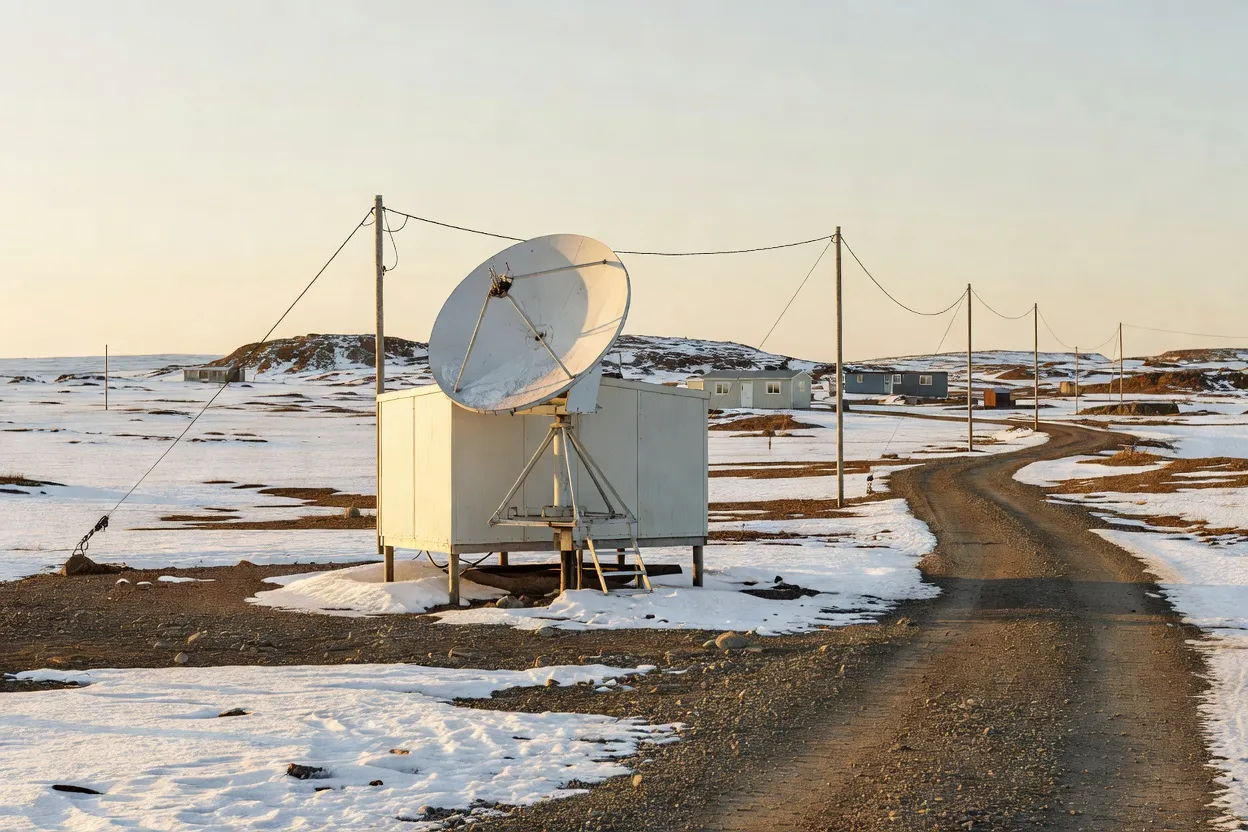
Telesat plans for service from its Lightspeed constellation to begin in 2028. In August 2026, the company announced 69 additional satellites for a Canadian Arctic military communications program, bringing the fully funded constellation from 156 to 225 satellites. It plans to deploy about 70 more by the end of 2032, for a total of 295.
Timeline of announced milestones
| Date | Milestone |
|---|---|
| June 2022 | Fibre phase 1: Kuujjuaraapik, Umiujaq, Inukjuak, Puvirnituq |
| August 2025 (Nunatsiaq News) | Phase 2 largely completed: Akulivik, Ivujivik, Salluit, Deception Bay |
| Summer 2027 | Planned completion of the Kuujjuaq–Kawawachikamach overland route |
| August 2027 to 2028 | Ungava submarine cable (EAUFON 3), Kangiqsujuaq to Kangiqsualujjuaq |
| 2028 | Planned start of Telesat Lightspeed service |
Further reading
For a deeper look at the current situation village by village, see our complete Nunavik connectivity guide.
For detailed costs and subsidy programmes available in 2026, see our Nunavik internet costs guide.
Our article on deploying networks in the tundra complements this overview.
For resources on Canada’s North, Voyage Canada covers, among other things, Canada’s three northern territories.
In Kuujjuaq, Nunavik’s administrative centre, these changes will be particularly structuring: see our complete guide to Kuujjuaq in 2026.
Sources
- Nunatsiaq News: Nunavik fibre optic project entering final stage (KRG)
- Nunatsiaq News: Arctic telecom experts say Starlink is a good partner
- Nunatsiaq News: Nunavik moves forward with bandwidth and 4G upgrade
- Tamaani Internet: latest news
- Satellite Today: Telesat expands Lightspeed constellation for Arctic military satcom program
- Wikipedia: Nunavik
Frequently asked questions
Is there fibre optic in Nunavik?
Yes. The Kativik Regional Government's fibre network, operated by Tamaani Internet, connects Kuujjuaraapik, Umiujaq, Inukjuak and Puvirnituq to Chisasibi (first phase, completed in June 2022). A second phase, largely completed according to Nunatsiaq News (August 13, 2025), reaches Akulivik, Ivujivik, Salluit and Deception Bay.
When will fibre reach the Ungava villages?
According to Nunatsiaq News (August 13, 2025), a submarine cable is to link the seven Ungava villages, from Kangiqsujuaq to Kangiqsualujjuaq. Work is scheduled to start in August 2027 and finish in 2028 (schedule announced in August 2025 and subject to change).
What is Starlink's role in Nunavik?
Starlink serves as an interim solution. The Kativik Regional Government, through Tamaani Internet, deployed terminals in Aupaluk, Kangiqsualujjuaq, Kangiqsujuaq, Kangirsuk, Quaqtaq and Tasiujaq, and gateway terminals in Kuujjuaq, pending fibre.
When will Telesat Lightspeed be in service?
Telesat plans for Lightspeed service to begin in 2028. The funded constellation has 225 satellites, including 69 added for a Canadian Arctic military communications program.