Nunavik History

Five documented stories: from villages to institutions, from the Inuit language to the agreements that shaped Nunavik.

Nunavik, the vast territory north of the 55th parallel, holds a deep and living history: millennia of Inuit and Cree presence, encounters with traders and missionaries, and major political negotiations that gave Nunavik institutions of its own.

This series of five pages brings together factual, sourced accounts, carefully written and verified fact by fact: the history of Kuujjuaq, from Fort Chimo to the regional capital; why two villages, Kuujjuaraapik and Whapmagoostui, share one site; the story of the Inuit language and its syllabics; religion, from Inuit beliefs to today's churches; and the James Bay agreements, from the Malouf injunction to today's institutions.
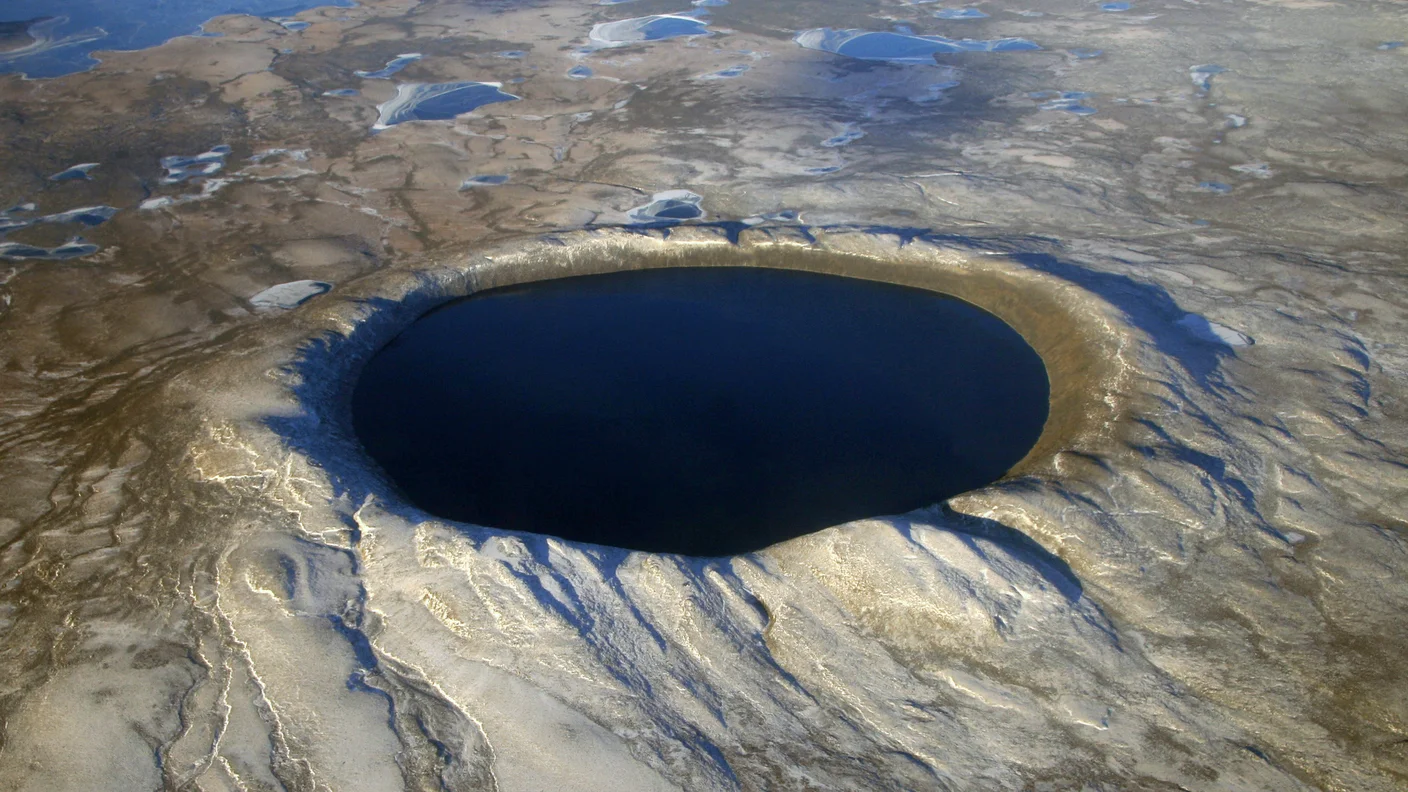
The Pingualuit crater, in the heart of Nunavik, seen from the sky
The Pingualuit crater, in the heart of Nunavik, seen from the sky. Photo: NASA, courtesy of Denis Sarrazin (public domain, Wikimedia Commons).

Frequently asked questions

What is Nunavik?

Nunavik is the vast territory of northern Quebec located north of the 55th parallel. Inhabited for millennia by Inuit, it now has its own regional institutions, including the Kativik Regional Government, Makivik Corporation and Kativik Ilisarniliriniq.

How many communities does Nunavik have?

Nunavik has 14 Inuit communities, administered as northern villages. In the south, Kuujjuaraapik neighbours the Cree community of Whapmagoostui.

Where should I start to discover the history of Nunavik?

The five pages in this series each cover one chapter: the history of Kuujjuaq, the villages of Kuujjuaraapik and Whapmagoostui, the Inuit language and syllabics, religion, and the James Bay agreements.

Kuujjuaq: From Fort Chimo to Today

From the Fort Chimo trading post (1830) to Nunavik's administrative capital: the Crystal I airbase, the official 1979 renaming, regional institutions and the airport hub.

Read the page

Kuujjuaraapik and Whapmagoostui: Why Two Villages?

Why the mouth of the Great Whale River is home to two communities: Kuujjuaraapik, an Inuit northern village, and Whapmagoostui, a Cree community on Category IA land.

Read the page

The Inuit Language of Nunavik: Who Created the Syllabics, and Why?

Who created Inuktitut syllabics and why: James Evans, Horden and Watkins, Edmund Peck, and the Inuit adoption of a writing system still alive in Nunavik.

Read the page

Religion in Nunavik: From Inuit Beliefs to Today's Churches

Traditional Inuit spirituality, the arrival of Anglican and Catholic missions, and why Kuujjuaq is home to churches of several denominations.

Read the page

The James Bay Agreements: From the Malouf Injunction to Nunavik's Institutions

From the Malouf injunction (1973) to the James Bay and Northern Quebec Agreement (1975): lands, compensation, Makivik, the KRG and Kativik Ilisarniliriniq.

Read the page

The 14 Villages of Nunavik

The founding story of each northern village and the meaning of each name in Inuktitut, from Kuujjuaraapik to Kangiqsualujjuaq.

Read the page