

The unique context of commerce in isolated communities
Commerce in isolated communities like Nunavik and Eeyou Istchee presents distinct challenges and opportunities. These regions, located in the northernmost part of Quebec, are characterized by their remote locations, harsh weather conditions, and limited infrastructure. The lack of road access to the southern parts of Quebec means that transportation of goods relies heavily on air and seasonal shipping routes. This isolation affects not only the availability of products but also the logistics of e-commerce and digital payments.
During the winter months, when ice roads are impassable or nonexistent, communities depend almost entirely on air transport, which significantly increases both cost and delivery time compared with the road or rail options available in southern Quebec. This structural cost gap complicates the logistics of maintaining a steady supply chain for any business that relies on regular shipments. The impact of these costs is further highlighted in our comparison of internet costs in Nunavik, which underscores the broader financial burden faced by businesses operating in these areas.
Key takeaway: The isolation of Nunavik and Eeyou Istchee necessitates unique solutions for e-commerce, including specialized shipping logistics and digital payment systems that accommodate limited internet connectivity. These adaptations are crucial to overcoming the geographical and infrastructural challenges faced by local businesses.
Despite these challenges, there is a growing interest in leveraging digital technologies to enhance commerce in these regions. Digital platforms offer local businesses the ability to reach broader markets, while digital payments provide a convenient alternative to cash transactions. However, the successful implementation of these technologies requires overcoming significant hurdles, including connectivity issues and the costs associated with digital infrastructure. The state of 4G/5G cellular coverage in Nunavik is a crucial factor in determining the feasibility of these digital solutions in any given village, since businesses in better-connected communities have a real head start.
Northern and Arctic cooperatives: pioneers of northern commerce
Northern and Arctic cooperatives have played a pivotal role in the development of commerce in Nunavik. These cooperatives, such as the Fédération des coopératives du Nouveau-Québec (FCNQ), have historically provided essential goods and services to local communities. They have evolved to include modern amenities, including online ordering systems that allow residents to purchase products remotely.
The cooperatives’ move towards digital commerce is a significant step in bridging the gap between remote and urban markets. By implementing online sales platforms, these cooperatives have made it easier for residents to access a wider range of products without leaving their communities. This transition is not without challenges, such as ensuring reliable internet connectivity and managing shipping logistics.
| Cooperative | Service Offered | Online Platform |
|---|---|---|
| FCNQ | Groceries, Fuel | Online ordering |
| Arctic Co-op | Retail goods | E-commerce site |
Checklist: When setting up online platforms, cooperatives must ensure:
- Reliable internet access
- User-friendly interfaces
- Secure payment gateways
These cooperatives are not only expanding their product offerings but also exploring innovative logistics solutions to overcome the geographical barriers that have historically limited commerce in these regions. Some cooperatives have begun exploring the potential of drone logistics in isolated communities, which could eventually change how certain time-sensitive goods are delivered in these remote areas, particularly for urgent medical supplies where speed matters more than volume.
In addition to these efforts, cooperatives are engaging in extensive community outreach and education to ensure that the benefits of digital commerce are understood and accessible to all members. These initiatives often include workshops and training sessions, which focus on digital literacy and the use of e-commerce platforms. By fostering a digitally literate community, cooperatives are ensuring that the transition to online commerce is both inclusive and effective.
The rise of online sales platforms for local artisans
Local artisans in Nunavik have begun embracing online sales platforms to reach markets beyond their immediate communities. These platforms offer artisans the opportunity to showcase their unique crafts, from traditional Inuit art to modern interpretations of cultural motifs. By selling online, artisans can tap into a global audience interested in authentic, culturally rich products.
The rise of these platforms is supported by initiatives that provide artisans with the necessary tools and training to succeed in the digital marketplace. For instance, workshops on digital marketing and e-commerce management equip artisans with the skills needed to maintain an online presence and manage sales effectively. Community hubs have been established to facilitate these learning opportunities, often bringing in experts from southern Quebec.
Tip: Artisans can enhance their online presence by participating in collaborative platforms that aggregate products from multiple creators, increasing visibility and customer reach.
However, challenges remain, particularly concerning the cost of shipping and the need for professional translation services to communicate effectively in French, English, and Inuktitut. Services like professional translation for multilingual French-English-Inuktitut commerce are essential in ensuring that these platforms are accessible to a diverse audience.
To address these challenges, some artisans have formed informal collectives to share shipping costs and resources. By pooling their resources, they can generally negotiate somewhat better rates with logistics providers and reach a broader audience than any single artisan could alone. These collectives often collaborate with local cooperatives to utilize existing logistics networks, which further extends their reach without requiring each artisan to build separate shipping relationships from scratch.
Contactless payment and digital wallets: real adoption
The adoption of contactless payment systems and digital wallets in Nunavik is gradually increasing. This trend is driven by the convenience these technologies offer, particularly in a region where cash transactions have traditionally dominated. Contactless payment terminals are becoming more common in local shops, providing a quick and sanitary way for residents to make purchases.

Digital wallets are also gaining traction, especially among younger demographics who are more accustomed to using smartphones for various functions. These technologies are supported by improvements in cellular coverage, as highlighted in the state of 4G/5G cellular coverage in Nunavik.
Common mistake: Failing to educate customers on the use of digital payment options can hinder adoption. Businesses should provide clear instructions and support.
These advances are helping to modernize the payment landscape in Nunavik, making it easier for businesses and consumers to engage in transactions without the need for physical cash. Loyalty and rewards programs linked to digital wallets, where they exist, can encourage more residents to adopt these technologies, gradually fostering a more digitally connected local economy. This shift is helping to lay the groundwork for a more interconnected and efficient marketplace in the region, even if the pace of adoption still varies considerably from one community to the next.
Bandwidth challenges for online transactions
One of the primary challenges facing e-commerce in Nunavik is bandwidth limitations. Reliable and high-speed internet is not universally accessible, affecting the ability of businesses and consumers to engage in online transactions. The comparison of internet costs in Nunavik reveals that internet services are not only costly but also limited in bandwidth, which can be a significant barrier to digital commerce.
Bandwidth constraints can lead to slow website loading times and interruptions during payment processes, which can frustrate customers and lead to abandoned transactions. Addressing these issues requires investment in telecommunications infrastructure, including the expansion of fiber-optic networks and the deployment of satellite internet services.
| Challenge | Impact | Potential Solution |
|---|---|---|
| Limited bandwidth | Slow transactions | Expand fiber-optic network |
| High internet costs | Reduced e-commerce activity | Subsidize internet access |
Efforts to improve connectivity are underway, but progress is generally gradual due to the logistical challenges of deploying infrastructure in such remote areas. In some cases, newer satellite internet services are being adopted as a meaningful improvement over older geostationary links, offering higher speeds and better reliability for the communities that gain access to them. Local initiatives are also exploring the use of community-owned internet cooperatives to provide more affordable access. These cooperative models aim to reduce costs and improve service quality by involving local stakeholders directly in the management of internet services, rather than leaving all decisions to distant corporate providers.
Costs and delivery times: the main logistical hurdle
The cost and time required to deliver goods to Nunavik remain significant hurdles for e-commerce. High shipping fees are a direct result of the region’s isolation, with no road network connecting it to southern Quebec. This reliance on air and marine transport increases both the cost and duration of delivery.
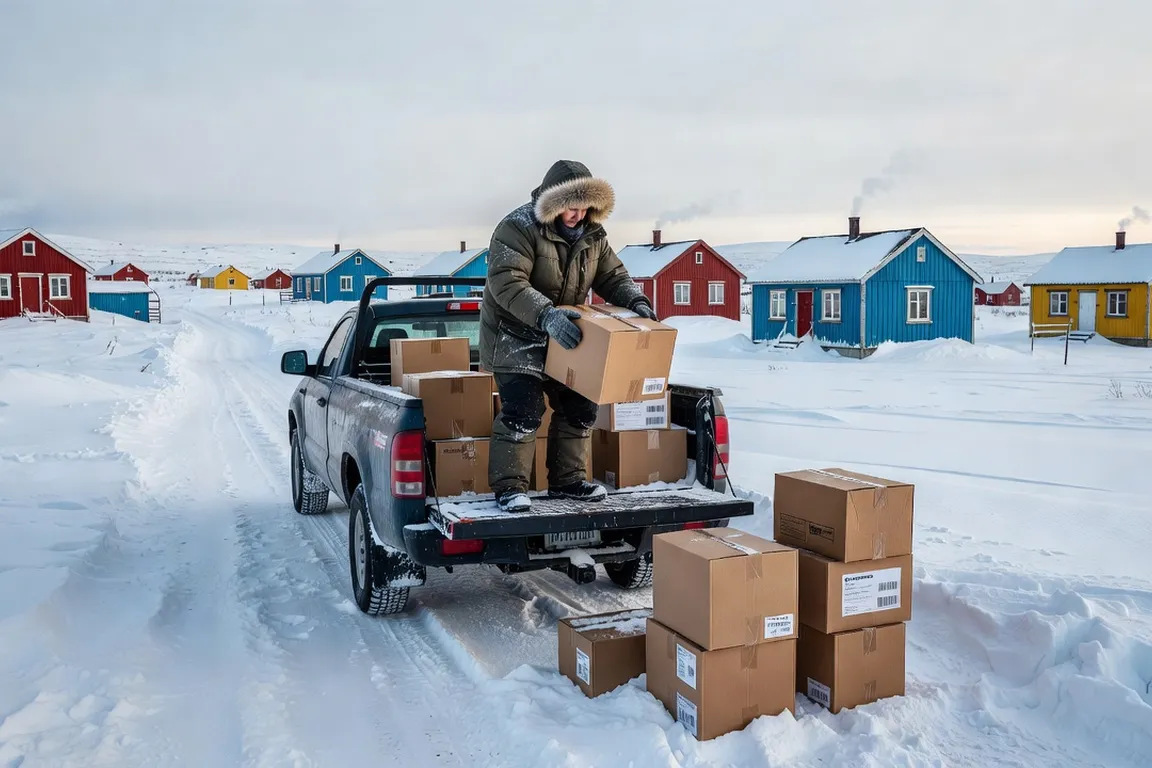
To mitigate these challenges, businesses are exploring partnerships with logistics companies that specialize in remote deliveries. Some cooperatives are also experimenting with bulk ordering systems to reduce individual shipping costs by consolidating multiple orders into a single shipment, an approach that can meaningfully lower the per-unit cost of freight for participating businesses and residents.
Key takeaway: Developing efficient logistics strategies, such as route optimization and bulk shipping, can meaningfully reduce costs and improve delivery times, even without a single silver-bullet technology solving the problem outright.
These logistical innovations are important for making e-commerce a viable option for businesses and consumers in Nunavik. Pilot projects utilizing drones for last-mile delivery are showing promise for reducing both costs and delivery times on specific routes, as detailed in the drone logistics in isolated communities, though this technology remains at an early and limited stage of adoption rather than a wholesale replacement for air freight. By cautiously testing and scaling these technologies where they make sense, businesses can gradually enhance their supply chain efficiency and better meet the needs of their customers.
Security of digital transactions in remote regions
Security is a top concern for digital transactions in remote regions like Nunavik. The risk of cyber threats, including data breaches and fraud, is heightened by the limited cybersecurity resources available locally. As e-commerce grows, ensuring the security of digital payments is paramount to maintaining consumer trust.
Implementing robust security protocols, such as encryption and two-factor authentication, can help mitigate these risks. Businesses must also educate consumers about safe online practices to prevent fraud. Collaborative efforts between local authorities and cybersecurity experts can enhance the region’s capacity to respond to potential threats.
Tip: Regularly updating software and conducting security audits can help identify vulnerabilities in digital payment systems.
Adopting these measures is essential for fostering a secure and trustworthy e-commerce environment in Nunavik. Public awareness campaigns and workshops focused on cybersecurity, where they exist, can empower residents and small business owners to protect themselves online, further strengthening the region’s digital economy over time. This kind of proactive training is generally seen as one of the more cost-effective ways to build a more resilient digital infrastructure, since technical safeguards alone cannot fully compensate for a lack of basic security awareness among staff and customers.
The role of drones and innovative logistics in e-commerce
Drones and innovative logistics solutions are playing an increasingly important role in overcoming the delivery challenges faced in Nunavik. Drones offer a cost-effective and efficient means of transporting goods, particularly to areas that are difficult to reach by traditional methods.
The use of drone technology is already being explored in various drone logistics in isolated communities, with pilot projects demonstrating the potential for faster delivery times and reduced costs. These projects are part of a broader effort to integrate cutting-edge technologies into the logistics chain.
| Innovation | Benefit | Current Status |
|---|---|---|
| Drones | Faster, cheaper deliveries | Pilot projects underway |
| Autonomous vehicles | Reduce reliance on human drivers | Experimental phase |
Checklist: For successful implementation of drone logistics, consider:
- Regulatory compliance
- Weather conditions
- Payload capacity
As these technologies mature, they have the potential to gradually change the way certain goods are transported in Nunavik, making e-commerce somewhat more accessible and reliable over time. The lessons learned from these pilot projects could eventually inform similar efforts in other isolated communities facing comparable logistical constraints. Autonomous vehicles are also being explored in early trials for select routes, though widespread deployment remains years away given the harsh operating conditions and regulatory questions still to be resolved. By continuing to invest cautiously in such innovations, Nunavik can gradually improve its logistical capabilities and support the long-term viability of its e-commerce ecosystem.
Case study: a local business that succeeded in its digital transition
Local artisan cooperatives and small businesses in Nunavik that have most successfully made the shift to e-commerce generally share a few common traits. They typically start by focusing on a small, well-photographed catalogue rather than trying to list everything at once, invest early in professional translation to reach a multilingual audience, and partner with a logistics provider experienced in remote deliveries rather than defaulting to whatever courier happens to be available.
Common mistake: Neglecting to invest in basic digital marketing and clear product photography can limit the reach of an otherwise well-built online platform. Local businesses should prioritize visibility and clarity to attract a wider audience from the very start.
Businesses that follow this kind of well-rounded strategy — combining a functional online store, multilingual product descriptions, and a dependable shipping partner — tend to see meaningfully improved sales after going online, even though the exact scale of that improvement varies considerably from one business to another. The broader impacts of digital adoption on entrepreneurship in the region are explored further in our interview on remote work from Salluit. This general pattern serves as a useful reference point for other local businesses considering a similar digital transition, even if no two businesses will follow exactly the same path to success.
Outlook for northern e-commerce through 2030
Looking ahead to 2030, the future of e-commerce in Nunavik appears promising, provided the existing challenges are addressed. Continued investment in digital infrastructure, including the expansion of internet services and the deployment of innovative logistics solutions, will be crucial.
The adoption of new technologies, such as drones and digital payment systems, will further enhance the efficiency and accessibility of e-commerce. Moreover, ongoing efforts to improve cybersecurity and provide training to local businesses will support the sustainable growth of digital commerce.
Key takeaway: Collaborative efforts between local communities, businesses, and government agencies are essential for realizing the full potential of e-commerce in Nunavik.
By addressing these challenges and leveraging the opportunities presented by digital technologies, Nunavik can establish itself as a vibrant participant in the global digital economy. For further insights into the digital transition in isolated communities, consider reading our interview on remote work from Salluit, which explores the impact of internet advancements on local business practices. As these developments unfold, they will likely set a precedent for similar regions globally, demonstrating the transformative power of embracing digital commerce. By fostering an environment conducive to innovation and growth, Nunavik can become a leader in digital commerce among isolated communities.
Frequently asked questions
Which local businesses in Nunavik offer online shopping?
Several regional cooperatives (Northern, Arctic) and local shops now offer online ordering, even if partial, for groceries, hardware or crafts. The offering remains more limited than in southern Quebec, with catalogues often restricted and processing times longer.
Is contactless payment widespread in northern communities?
Contactless payment is gradually spreading in shops in the main villages, driven by growing adoption of modern terminals and chip cards. Its use nonetheless remains less systematic than in large cities, with some small shops still operating on a cash-only or direct-transfer basis.
Why are shipping fees so high for northern e-commerce?
High shipping fees stem from the absence of a road network connecting Nunavik to the rest of Quebec: nearly all packages travel by air, a mode of transport significantly more expensive than truck or rail used elsewhere. Regular air freight to isolated communities also adds specific delays and handling costs.
Can Inuit and Cree artisans sell directly online?
Yes, several Inuit and Cree artisans sell directly online via platforms dedicated to Indigenous art or their own social media channels, which lets them partly bypass traditional intermediaries and reach customers outside the region. Shipping logistics nonetheless remain a hurdle for bulky or fragile pieces.
What digital payment methods work with limited connectivity?
Digital wallets and chip cards generally work well even with limited connectivity, since transactions are short and low in data use compared to downloading large content. Solutions requiring continuous real-time validation can, however, be more sensitive to satellite outages.
Has e-commerce changed the shopping habits of Nunavik residents?
E-commerce has changed some shopping habits, particularly for specialized products not available locally, but it complements rather than replaces physical stores, which remain essential for everyday and perishable purchases. Adoption varies by village depending on the age of the population and the quality of available connectivity.