
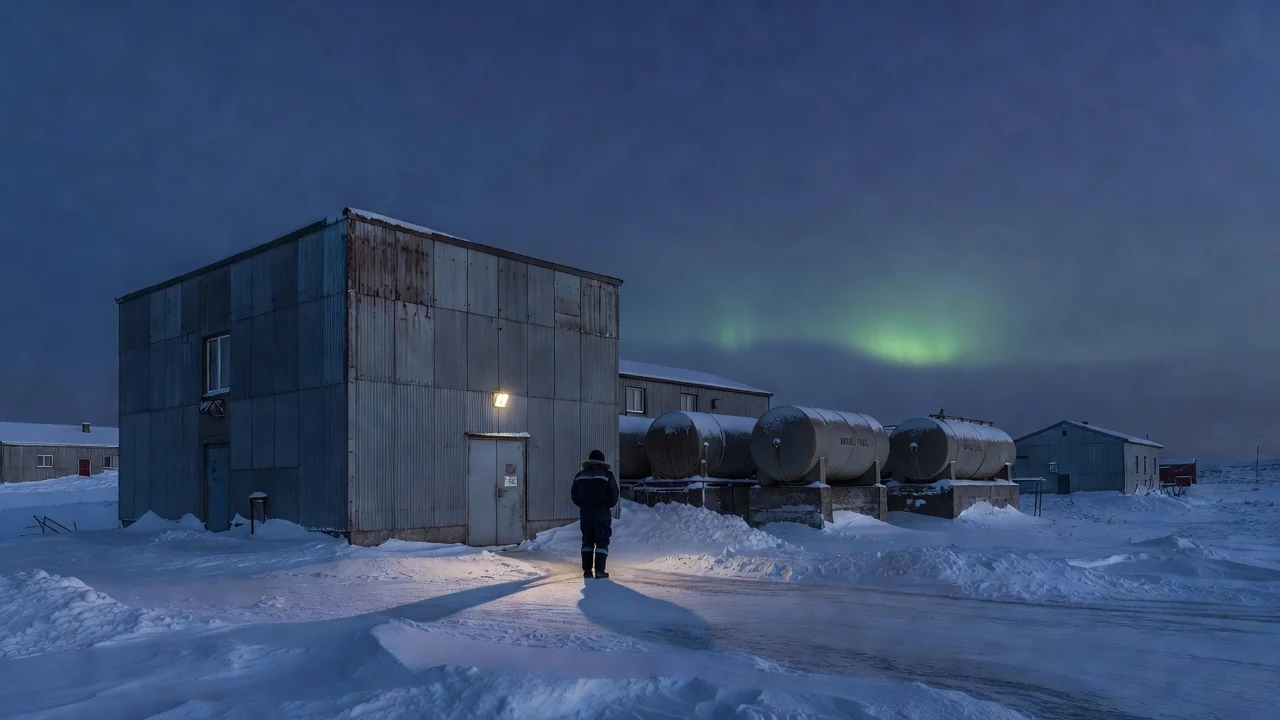
Nunavik’s 14 villages are not connected to Hydro-Québec’s main electricity grid. Each is served by an autonomous grid supplied mainly by a diesel thermal plant; in Inukjuak, the Innavik hydroelectric plant also supplies part of the load. Hydro-Québec generates and distributes the electricity in these grids.
In 2026, diesel remains the foundation of this supply. Several documented projects, however, aim to reduce its use: the Quaqtaq microgrid, the wind measurements carried out by Tarquti Énergies and the Innavik hydroelectric plant in Inukjuak.
Autonomous grids, one village at a time
An autonomous grid is a local electricity generation and distribution network that is not connected to Hydro-Québec’s main grid. In Nunavik, each village has its own. Hydro-Québec’s roughly 20 off-grid thermal plants supply less than 1% of its electricity.
Nunavik is not an isolated case: Hydro-Québec also operates autonomous grids elsewhere in northern Québec, and a dedicated rate, Rate DN, applies to them.
Rate DN
Hydro-Québec’s Rate DN applies to electricity used in a dwelling served by an autonomous grid located north of the 53rd parallel, except Schefferville. It also covers collective residential buildings, community residences, rooming houses, tourist lodgings of nine rooms or fewer and the use of part of the electricity for purposes other than housing when the installed capacity is 10 kW or less.
Quaqtaq: diesel, solar and batteries
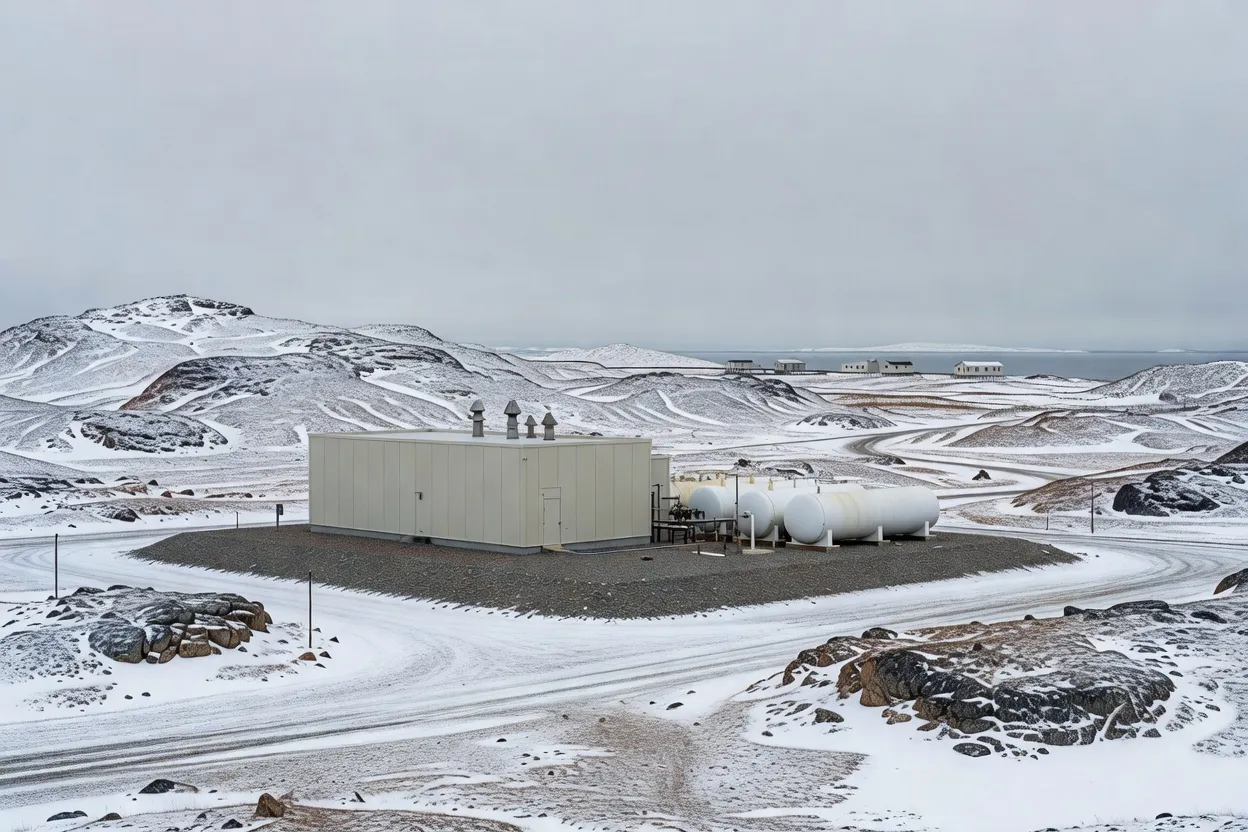
In Quaqtaq, Hydro-Québec carried out a microgrid project that combines the existing diesel plant, solar panels and a battery storage system. Natural Resources Canada presents the project as completed.
| Item | Detail |
|---|---|
| Proponent | Hydro-Québec |
| Technologies | Solar panels, centralized batteries, existing diesel plant |
| Total cost | $3,594,149 |
| Contribution (Green Infrastructure Fund) | $1,375,301 |
| First of its kind | First centralized storage deployed in Nunavik |
According to Natural Resources Canada, the project provided a better understanding of how to operate centralized storage, updated the plant’s automation systems and clarified the challenges of operating solar power in a northern setting. It also aimed to make it easier to connect future renewable installations.
Tarquti Énergies and wind power
Tarquti Énergies was born in 2017 from a joint venture between Makivik Corporation and the Fédération des coopératives du Nouveau-Québec (Ilagiisaq). In June 2022, Hydro-Québec named it its preferred and exclusive partner for renewable energy projects in Nunavik.
To prepare wind projects, Tarquti installed wind-measurement towers in five villages, the first five where project development began: Kuujjuaq, Quaqtaq, Kangiqsujuaq, Salluit and Puvirnituq. They are used to assess whether winds are strong enough to power wind turbines (Nunatsiaq News, April 2024).
Innavik in Inukjuak: run-of-river hydroelectricity
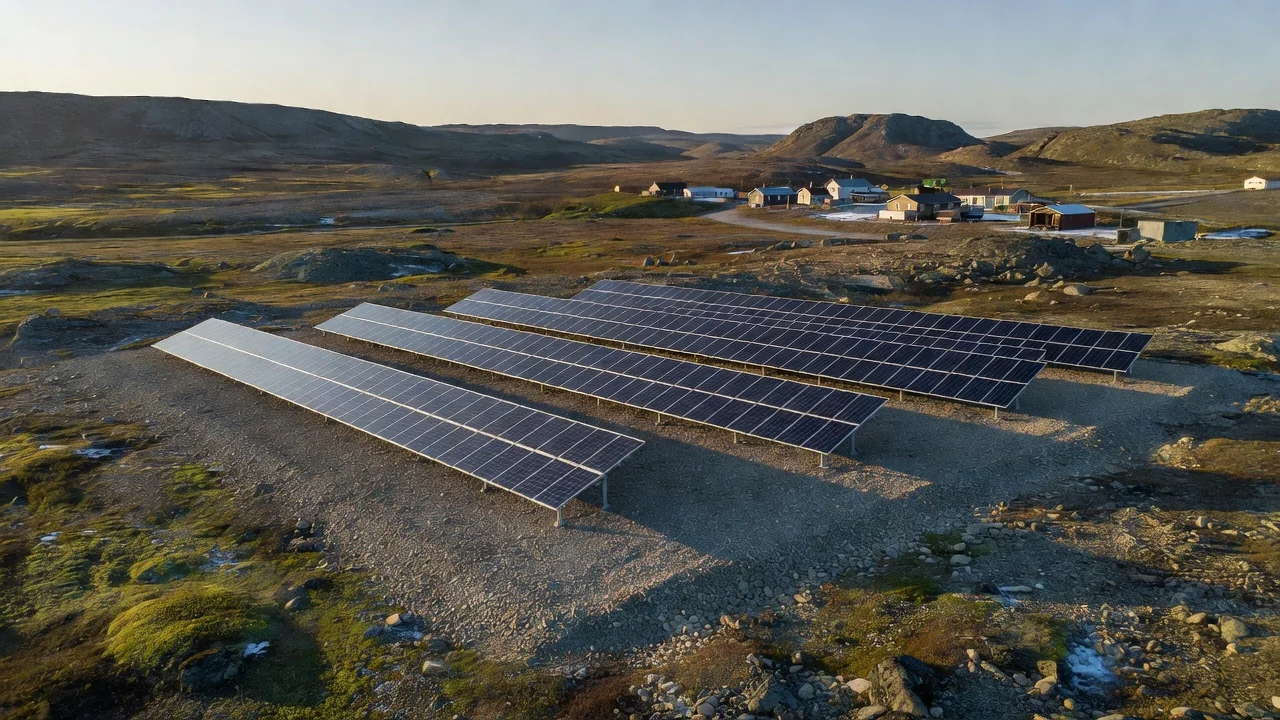
The Innavik project is a 7.5 MW run-of-river hydroelectric plant on the Inukjuak River. Hydro-Québec, Innergex and the Pituvik Landholding Corporation announced it on May 27, 2019. Innergex and Pituvik each hold 50%, and Hydro-Québec signed a 40-year power supply contract.
A run-of-river plant uses the flow of a watercourse rather than a large reservoir. Innergex states that the plant is in operation and that it reduces the community’s diesel dependence for electricity, heating and hot water by 80%.
Key takeaways
- Nunavik’s 14 villages are served by autonomous grids supplied mainly by diesel and operated by Hydro-Québec.
- The Quaqtaq microgrid combines diesel, solar and batteries.
- Tarquti Énergies, born of Makivik and Ilagiisaq, is Hydro-Québec’s preferred partner for renewables.
- The 7.5 MW Innavik plant in Inukjuak is in operation.
The network in numbers
Fourteen villages, fourteen autonomous grids: no northern village is connected to Hydro-Québec’s main network, and each community has its own diesel thermal plant. The grids’ consumption is estimated at about 23 million litres of diesel per year, associated with nearly 65,000 tonnes of CO₂. In the 2026 rate document, electricity produced by a heavy diesel plant is listed at 22.504 ¢/kWh — a figure that explains the interest in hybrid projects.
Projects moving forward village by village
The most visible project is Aupaluk’s: a 1.9 MW diesel-solar hybrid plant (versus 850 kW today), launched in 2024 for an announced cost of about $106 million, with service expected around 2027-2028. In Quaqtaq, a diesel-solar-battery demonstration microgrid is optimizing the existing plant. And under the Hydro-Québec-Tarquti agreement, two wind projects — Quaqtaq and Puvirnituq — should together cover about 60% of the two villages’ electricity needs, avoiding some 96 million litres of diesel over 25 years and cutting emissions by about 253,000 tonnes of CO₂.
Sources
- Tarquti: about us
- Tarquti: electricity in Nunavik infographic (PDF, French)
- Natural Resources Canada: Quaqtaq microgrid (French)
- Hydro-Québec: Inukjuak hydroelectric plant (French)
- Hydro-Québec: Rate DN (French)
- Hydro-Québec: partnership with Tarquti (2022)
- Innergex: Innavik plant
- Nunatsiaq News: Tarquti’s first moves
- Nunatsiaq News: new funding for Tarquti (April 2024)
Frequently asked questions
Is Nunavik connected to Québec's main electricity grid?
No. Nunavik's 14 villages are not connected to Hydro-Québec's main grid: each is served by an autonomous grid supplied mainly by a diesel plant (in Inukjuak, the Innavik hydroelectric plant also supplies part of the load). Hydro-Québec generates and distributes the electricity in these grids.
Who is Hydro-Québec's Rate DN for?
Rate DN applies to electricity used in a dwelling served by an autonomous grid located north of the 53rd parallel, except Schefferville. It also covers certain other uses, including collective residential buildings, rooming houses and tourist lodgings of nine rooms or fewer.
What is the Quaqtaq microgrid?
It is a Hydro-Québec project that combines Quaqtaq's existing diesel plant with solar panels and a battery system. Completed, it cost $3,594,149 in total, of which $1,375,301 came under the Green Infrastructure Fund. It is the first centralized energy storage deployed in Nunavik.
What is Tarquti Énergies?
Tarquti is an Inuit-owned company born in 2017 from a joint venture between Makivik Corporation and the Fédération des coopératives du Nouveau-Québec (Ilagiisaq). In June 2022, Hydro-Québec named it its preferred and exclusive partner for renewable energy projects in Nunavik.
What is the Innavik plant in Inukjuak?
Innavik is a 7.5 MW run-of-river hydroelectric plant on the Inukjuak River, owned 50-50 by Innergex and the Pituvik Landholding Corporation. It supplies Inukjuak's autonomous grid and reduces the community's diesel dependence by 80%.
What share of diesel will the Quaqtaq and Puvirnituq wind projects replace?
Under the Hydro-Québec-Tarquti agreement, the two wind projects should cover about 60% of the two villages' electricity needs, avoiding about 96 million litres of diesel over 25 years.