In Nunavik, mental health services rely on each community’s CLSC, linked to one of the region’s two health centres. Videoconference counselling, help lines open at any hour and community programs complete the picture. This article explains how the network is organized and which resources to turn to.
For vocabulary and institutions, our glossary of 30 essential terms of Nunavik and Eeyou Istchee is a useful starting point.
A Network Organized Around the CLSCs
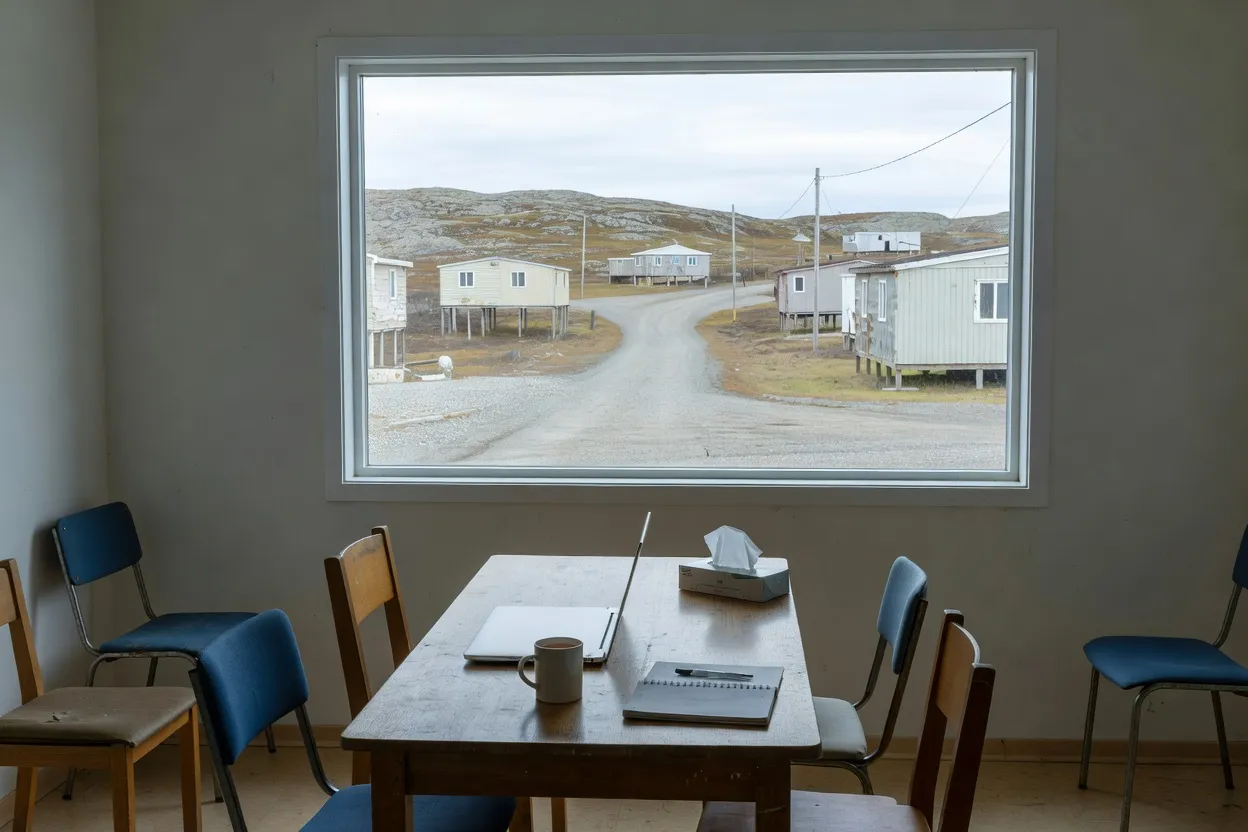
According to the Nunavik Regional Board of Health and Social Services, front-line health and social services are provided by the region’s two health centres through 14 local points of service, the CLSCs. The CLSC is the point of entry for all services: a local team of professionals assesses people facing mental health difficulties, refers them and follows up. A mental health team is in place in each health centre.
For specialized care, adults are served by the Douglas Mental Health University Institute and children and youth by the Montréal Children’s Hospital, both in Montréal.
Videoconference Counselling and Direct Access
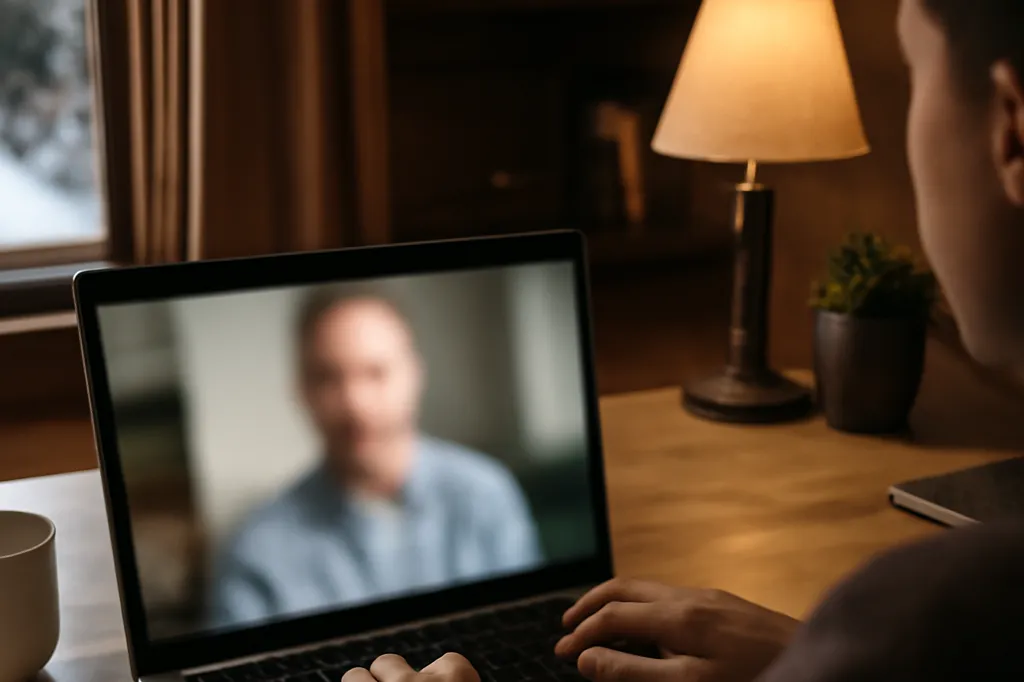
Nunavik beneficiaries can see a mental health counsellor under the Non-Insured Health Benefits (NIHB) program without a medical referral: they make their own arrangements with the counsellor of their choice. The Regional Board’s policy provides for videoconference sessions and asks beneficiaries to obtain the counsellor’s phone number in case of a computer breakdown. Access to this type of consultation therefore depends on a working connection and a place where one can speak in private.
The technical issues behind remote consultations are detailed in our feature on e-health and telemedicine in Nunavik and Eeyou Istchee.
Community Support
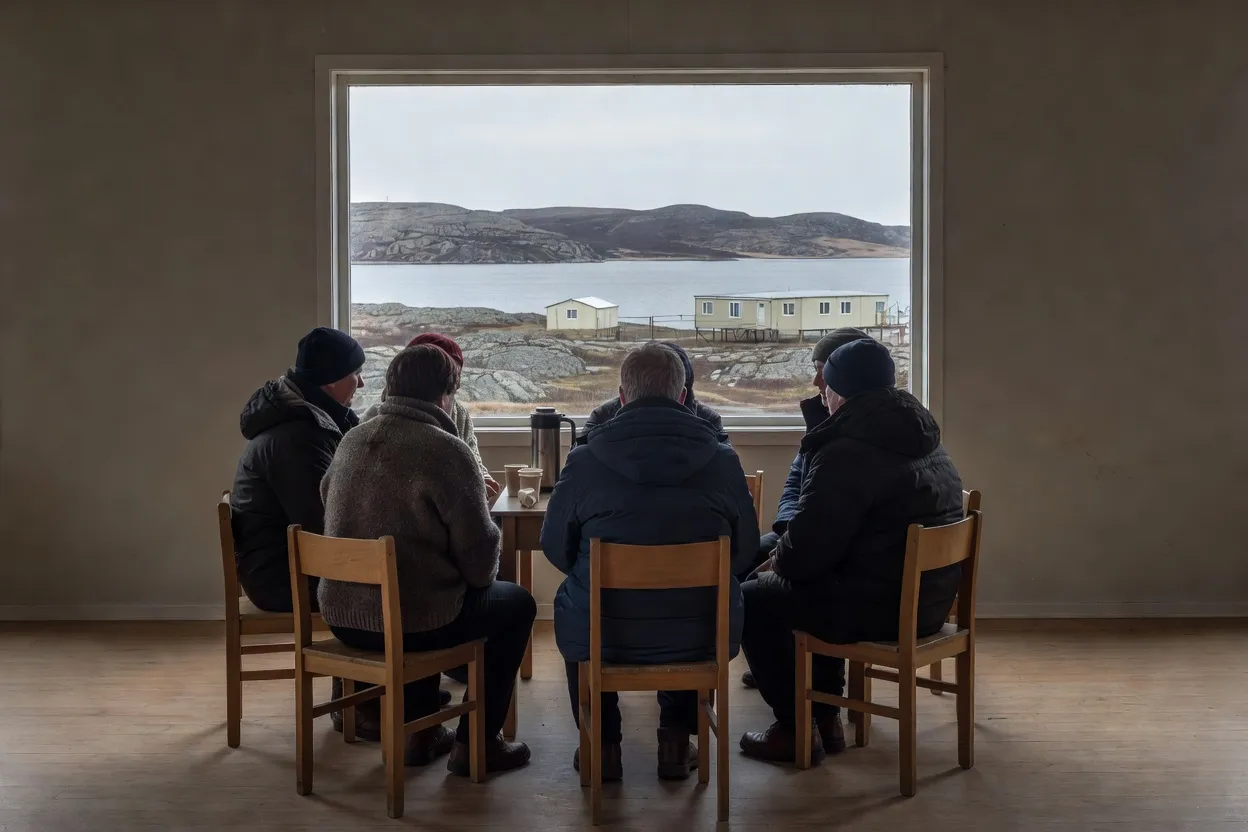
The Regional Board also describes community-based workers: Community Liaison Wellness Workers, who work on prevention and promotion with community well-being committees, and natural helpers, listed among the professionals of the network. It also mentions training in Inuit mental health first aid.
Help Lines Available at Any Time
- Hope for Wellness Help Line: 1-855-242-3310, 24 hours a day, seven days a week, for Indigenous people across Canada, by phone or online chat.
- 9-8-8, suicide crisis helpline: launched nationwide on November 30, 2023, available by call or text, at any hour, in English and French.
- Immediate danger: contact emergency services or the community CLSC.
A Historical Context That Makivvik Recalls
Makivvik, the organization representing the Inuit of Nunavik, recalls that in the 1950s and 1960s government authorities, including the RCMP, systematically slaughtered thousands of Inuit sled dogs. The dogs were essential for transportation, hunting and survival; their loss was felt as an assault on Inuit identity, culture and self-sufficiency, and elders still carry the memory. The federal government delivered an apology in Kangiqsujuaq on November 23, 2024, and announced $45 million for Makivvik, including funding for mental health and healing, culture, and food security. Quebec had apologized in 2011.
Makivvik also points out that several hundred Nunavik residents, former students boarded with foster families, are excluded from both the federal apology and the Common Experience Payment for residential schools, and it continues to seek justice for them.
For online administrative processes, see also our article on digital access to government services in Nunavik. Traditions linked to the land are covered in our feature on Goose Break.
Sources
- Nunavik Regional Board of Health and Social Services: mental health
- Nunavik Regional Board: mental health counselling (NIHB)
- Hope for Wellness Help Line
- CAMH: launch of the 9-8-8 helpline
- Makivvik: Canada’s apology for the dog slaughter
- Makivvik: residential schools
Frequently asked questions
Where should one start to get mental health help in Nunavik?
With the community CLSC, which is the point of entry for all services. A local team of professionals assesses the situation there, refers the person to the appropriate resources and provides follow-up.
Is a medical referral needed to see a counsellor?
Not under the Non-Insured Health Benefits (NIHB) mental health counselling services for Nunavik: beneficiaries make their own arrangements with the counsellor of their choice, without a medical referral.
Is there a help line available at any time?
The Hope for Wellness Help Line (1-855-242-3310) is available 24 hours a day, seven days a week, to Indigenous people across Canada, by phone or online chat. The 9-8-8 line (call or text) offers suicide crisis support across Canada, in English and French.
What should be done when someone is at immediate risk?
One should not wait for a routine appointment. Contact emergency services or the community CLSC, or call or text 9-8-8.