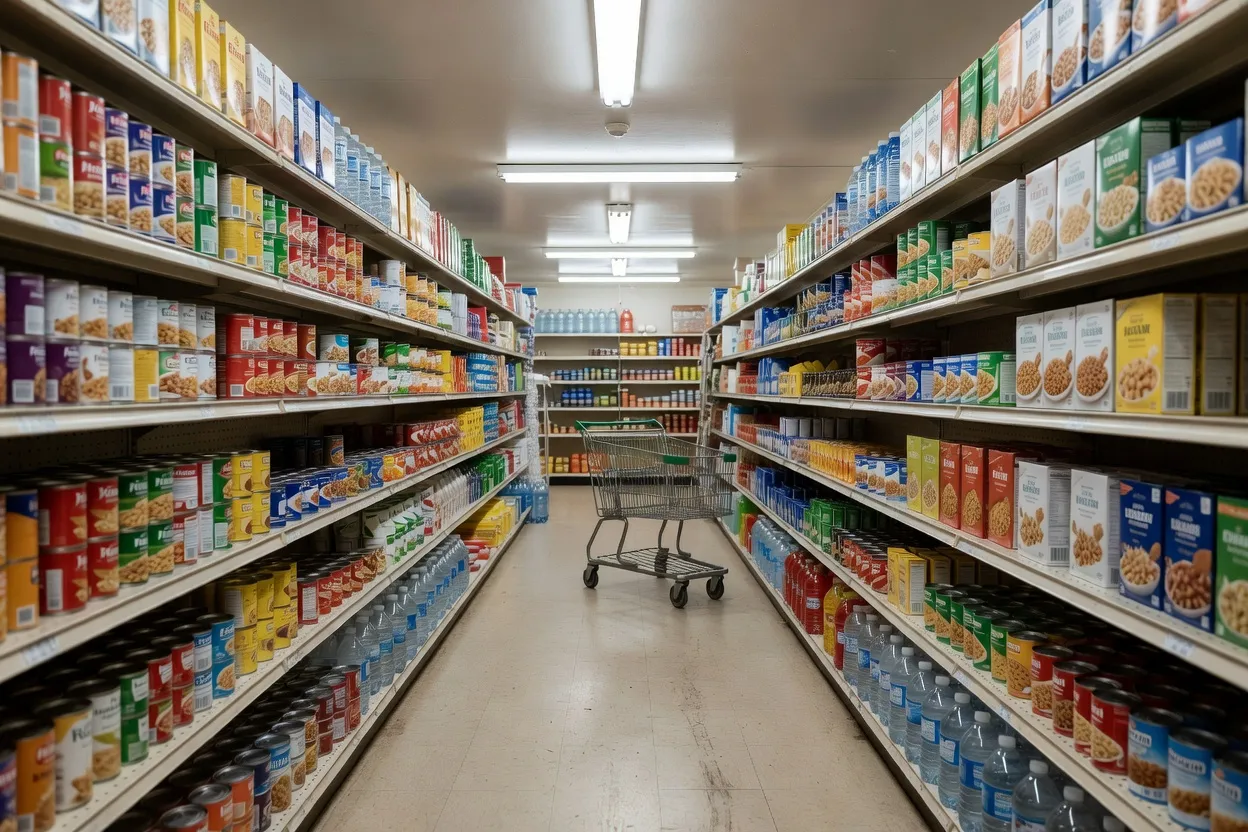
In Nunavik, grocery prices reflect supply distances. The Nunavik Regional Board of Health and Social Services (NRBHSS) reports that groceries cost 81% more there than in Quebec City, according to the 2011 comparative price index. The response combines a federal supply subsidy, support for harvesting country foods, cooperatives and local programs.
A Documented Price Gap
The NRBHSS identifies high food prices as one of the factors behind food insecurity in Nunavik. It cites the 2011 Nunavik Comparative Price Index (Duhaime and Caron, 2012), according to which groceries cost 81% more in Nunavik than in Quebec City. The figure dates from 2011: prices vary from one village to another and from one season to the next.
The NRBHSS also lists the high cost of hunting supplies and gasoline among the factors that weigh on access to food and on harvesting. The region has 14 Inuit communities, including Kuujjuaq and Salluit.
To place the terms used in this article, see our glossary of 30 essential terms of Nunavik and Eeyou Istchee.
Nutrition North Canada: The Federal Subsidy
Nutrition North Canada is a federal program for isolated northern communities. To be eligible, a community must, among other things, lack year-round surface transportation (no permanent road, rail or marine access), have an airport, post office or grocery store, and have a year-round population according to the census.
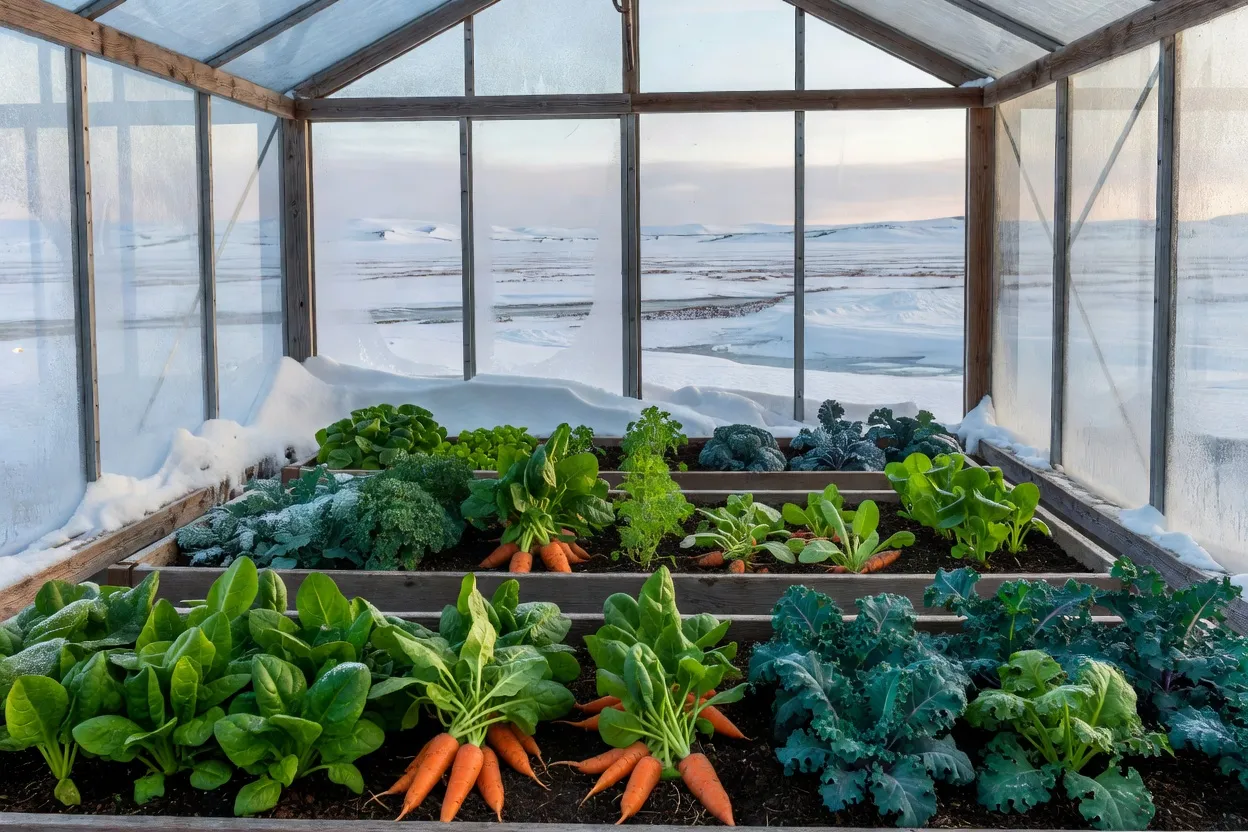
The subsidy applies to the full cost of an eligible product: purchase, transport, insurance and overhead. Registered retailers, suppliers, country food processors and local food growers can offer subsidized items. For-profit businesses must pass the full subsidy on to consumers, and larger retailers must display it on receipts.
The program also funds two community components:
- the Harvesters Support Grant, which supports local hunting and harvesting, including equipment and infrastructure ($20 million in the 2025-2026 budget);
- the Community Food Programs Fund, which supports community-led food security projects ($20.2 million in the 2025-2026 budget).
The program now covers 124 eligible communities.
Cooperatives and Local Programs
The Fédération des coopératives du Nouveau-Québec (FCNQ) brings together 14 cooperatives serving 14 Nunavik communities. It supports its member co-ops with merchandise and fresh food distribution, and also handles bulk fuel storage and distribution.
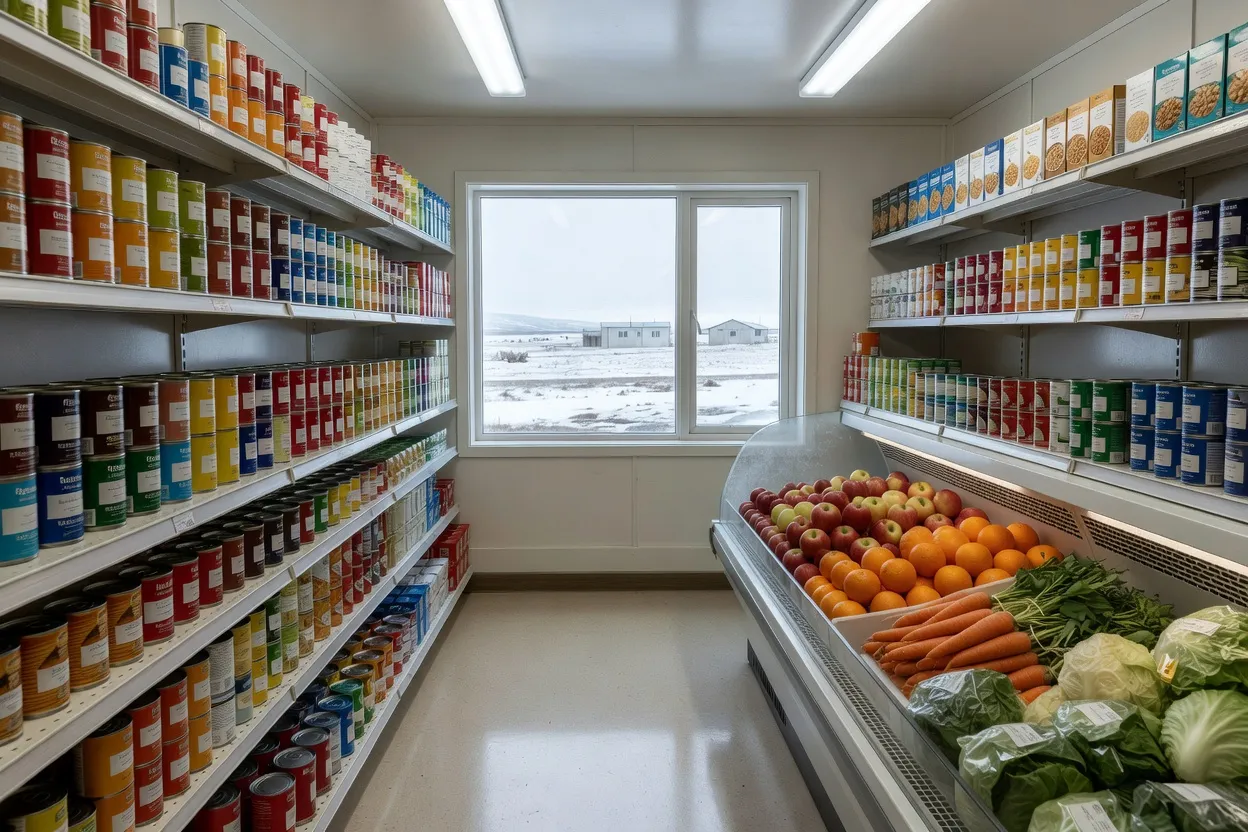
For its part, the NRBHSS supports several initiatives:
- breakfasts and snacks for school-age children;
- community kitchens;
- an in-store nutrition program;
- food support for pregnant women;
- sharing of knowledge about traditional foods.
A regional working group, formed in 2015, set out to design a regional food policy. The Nunavik Association of Hunters, Fishers and Trappers is represented on it. These initiatives are funded by, among others, Nutrition North Canada, the Aboriginal Diabetes Initiative, the Healthy School approach and the Canadian Prenatal Nutrition Program.
On the goose hunting tradition, see our article on goose hunting traditions among the Cree and Inuit during Goose Break. For the neighbouring Cree territory, see our profile of Niskamoon Corporation and the Cree communities of Eeyou Istchee. On young people’s futures, see our feature on vocational training and postsecondary studies in Nunavik and Eeyou Istchee.
Sources
- Nutrition North Canada: about the program and how the subsidy works
- Nutrition North Canada: eligible communities
- NRBHSS: food security
- NRBHSS: Qanuilirpitaa? 2017, portraits of the 14 communities
- FCNQ-Ilagiisaq: Nunavik cooperatives
- Cree Nation Government: communities
Frequently asked questions
How much do groceries cost in Nunavik compared with Quebec City?
The Nunavik Regional Board of Health and Social Services (NRBHSS) reports that groceries cost 81% more in Nunavik than in Quebec City, based on the 2011 Nunavik Comparative Price Index (Duhaime and Caron, 2012). The figure dates from 2011, and prices vary by village and season.
Does Nutrition North Canada apply to all products?
No. The subsidy applies to eligible food and non-food items, defined in program lists, shipped to eligible communities. It is paid to registered retailers and suppliers, and for-profit businesses must pass the full subsidy on to consumers.
How can consumers check that the subsidy is passed on?
Larger retailers registered with the program are required to display the Nutrition North Canada subsidy on customers' receipts.
Why is hunting and harvesting not free?
The NRBHSS lists the high cost of hunting supplies and gasoline among the causes of food insecurity. The Nutrition North Canada Harvesters Support Grant funds, among other things, harvesting equipment and infrastructure.
What local initiatives exist in Nunavik?
The NRBHSS supports, among others, breakfasts and snacks for school-age children, community kitchens, an in-store nutrition program, food support for pregnant women and the sharing of knowledge about traditional foods.