
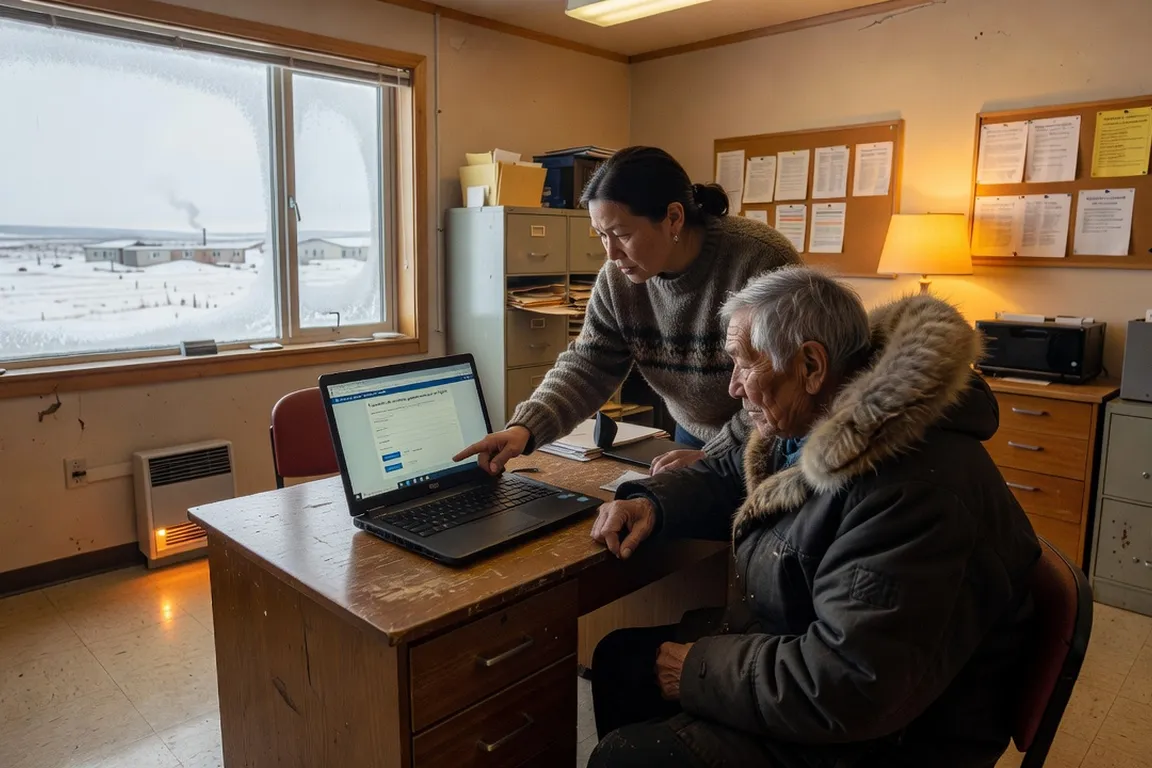
In this insightful interview, Antoine Monnier speaks with Marc-André Beaulieu, a digital liaison officer based in Chisasibi, who has been working for the past seven years to facilitate access to government services in remote regions like Nunavik and Eeyou Istchee. They discuss the challenges and solutions surrounding digital access to government services for residents in these areas.
Portrait of Marc-André Beaulieu and his role as a liaison officer
Antoine Monnier:Marc-André, could you start by telling us a bit about yourself and your role as a liaison officer?
Marc-André Beaulieu:Certainly, Antoine. I've been working as a digital liaison officer for seven years now, primarily focused on improving access to public services in remote regions like Nunavik and Eeyou Istchee. My role involves helping residents navigate the complexities of online government services. This includes everything from troubleshooting digital authentication issues to advocating for better infrastructure. In practice, I work closely with community organizations to ensure the needs of residents are communicated to government bodies. This is crucial, given that a substantial share of residents in these areas rely on some form of government assistance, whether it's through tax-related services or accessing vital records. The demand for such assistance has generally increased in recent years, as more procedures move online. Moreover, as highlighted in the [e-health and telemedicine network infrastructure in Nunavik](/en/blog/e-sante-telemedecine-nunavik-eeyou-istchee-2026-infrastructure-reseau-sante/), the integration of digital health services is also a growing area that my role touches upon. Additionally, these efforts align with broader initiatives aimed at improving digital literacy across all age groups, which are critical in fostering a digitally inclusive community. In addition to these responsibilities, I also conduct workshops focusing on practical skills that aid in navigating digital platforms, ensuring that communities can independently engage with these services over time.
The most-used government services and their digital obstacles

Antoine Monnier:Which government services do you find are most used by residents, and what digital obstacles do they face?
Marc-André Beaulieu:The services most frequently accessed include tax filing, permit renewals, and benefit applications. One major obstacle is the lack of stable internet, which is crucial for accessing these services. For instance, the CRA and Quebec's clicSEQUR portals require real-time connection for verification. This often leads to failed logins and incomplete applications. Moreover, digital literacy varies greatly, making it challenging for some residents to even start the process. The [comparison of internet costs in Nunavik](/en/blog/couts-internet-nunavik-2026-tarifs-subventions-comparaison-sud-quebec/) underscores the disparity in service quality and affordability compared to southern Quebec. Notably, internet costs in Nunavik can be considerably higher than in urban areas, creating a real financial burden for households. Additionally, language barriers can compound these challenges, as many services are primarily offered in French or English, necessitating translation assistance for Inuktitut speakers. In our experience, a significant proportion of residents require some form of help with translation during online service transactions. This highlights a need for multilingual support and better-designed user interfaces to accommodate non-native speakers. Furthermore, the limited availability of technical support can exacerbate these issues, as residents may face significant delays when seeking assistance. Applications tied to social services, especially those touching mental health support, show these access challenges most acutely, a topic we explore further in our [interview on mental health and digital social services in Nunavik](/en/blog/interview-mental-health-digital-social-services-nunavik-2026/).
| Government Service | Main Digital Obstacle | Reported Difficulty Level |
|---|---|---|
| Tax filing | Session dropped mid-verification | High during tax season |
| Benefit applications | Real-time identity verification | Moderate to high |
| Permit renewals | Long forms on an unstable connection | Moderate |
Key takeaway: Reliable internet and digital literacy are essential for accessing online government services, yet remain significant barriers for many in Nunavik.
The problem of online authentication with an unstable connection
Antoine Monnier:How does an unstable internet connection specifically impact online authentication processes?
Marc-André Beaulieu:Online authentication systems like clicSEQUR and the CRA's portals are designed for stable, fast internet connections. In Nunavik, where connectivity can be intermittent, users often experience timeouts during authentication. This is not just frustrating but can also lock them out of systems for security reasons. A typical session might involve several retries, which can be daunting and time-consuming. The [e-health and telemedicine network infrastructure in Nunavik](/en/blog/e-sante-telemedecine-nunavik-eeyou-istchee-2026-infrastructure-reseau-sante/) faces similar challenges, affecting both administrative processes and critical healthcare services. For instance, a resident trying to access their medical records online might find the session timing out repeatedly, causing delays in receiving necessary medical attention. In an emergency, these delays could mean the difference between timely intervention and critical health deterioration. Additionally, a meaningful share of users in remote areas have faced authentication failures due to connectivity issues at one point or another. These failures often require manual intervention, thus increasing the workload on help desks and prolonging resolution times. Moreover, organizations have started to implement backup systems to handle these outages, but the demand often outstrips the available resources.
Common mistake: Assuming that rural internet capabilities match urban standards, leading to overlooked user experiences in remote regions.
Physical access points and community support offices
Antoine Monnier:Are there physical access points where residents can get help with these online services?
Marc-André Beaulieu:Yes, many communities have established physical access points. These are often community centers or specially designated offices where residents can use computers to access government services. We also provide on-site assistance to guide them through the digital processes. For example, in Chisasibi, the local community center is equipped with necessary technology and staff trained to assist with online applications. These centers generally operate with extended hours during tax season to accommodate increased demand, and provide a critical service for those who face connectivity issues at home. In addition to offering technical support, these centers often serve as hubs for digital literacy workshops and seminars, aimed at enhancing the overall technological proficiency of the community. Community centers such as the one in Inukjuak have reported growing attendance at these workshops in recent years, illustrating their increasing importance. Furthermore, they have become key locations for distributing printed guides that help residents navigate digital tools independently. The importance of these centers cannot be overstated, as they also serve as a bridge for intergenerational learning, where younger, more tech-savvy individuals can assist elders and others less familiar with digital technologies.
Checklist:
- Ensure availability of computers and internet.
- Provide trained personnel for assistance.
- Maintain privacy and data protection standards.
Supporting elders in the transition to digital services
Antoine Monnier:Supporting elders seems particularly challenging. How do you help them transition to digital services?
Marc-André Beaulieu:Supporting elders is indeed a significant part of our work. We conduct workshops and one-on-one sessions to improve their comfort with technology. Many elders prefer in-person assistance, so we ensure they have access to reliable support. Physical documents and step-by-step guides are also provided to help them understand the process. An example was a recent session where we helped elders with their first online tax filing, ensuring they felt confident throughout the procedure. This hands-on assistance has been instrumental in bridging the digital divide for an older generation that may not have had previous exposure to digital tools. We've observed that, after such sessions, most elders express increased confidence in using technology, which is a meaningful improvement from initial assessments. Furthermore, the [youth digital literacy in Nunavik](/en/blog/interview-coordonnateur-litteratie-numerique-jeunesse-nunavik-2026/) initiative has encouraged intergenerational learning, where younger participants assist elders, fostering a community-wide embrace of technology. These interactions not only empower elders but also strengthen community bonds, encouraging collective growth. Moreover, these programs have seen growing elder participation over time, highlighting their success and importance in these communities.
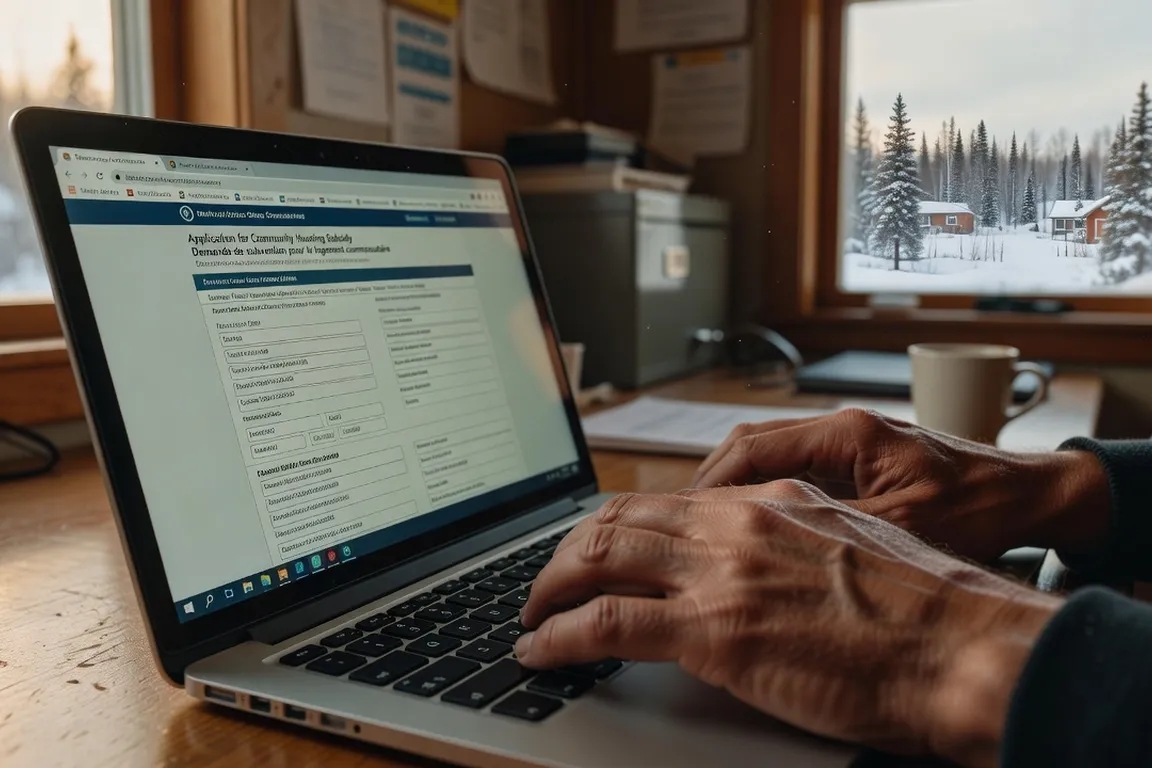
Concrete cases: taxes, benefits, permits and administrative requests
Antoine Monnier:Can you share some concrete cases involving taxes, benefits, or permits?
Marc-André Beaulieu:Certainly. One case involved a resident trying to renew a hunting permit online, a process that should take minutes but was stretched to hours due to connectivity issues. Another involved a family applying for child benefits which required several attempts to complete due to verification failures. Tax filing is another area where residents frequently encounter difficulties, often requiring assistance to navigate both the software and the tax codes. Last year, during tax season, our team assisted a large number of individuals in navigating the complex terrain of government portals, providing crucial support that otherwise would have left many without timely tax submissions. The repercussions of such delays can be significant, including potential fines or missed benefits, emphasizing the importance of our assistance programs. Additionally, some residents report missing deadlines because of these digital hurdles, further highlighting the need for continuous support. Ensuring that residents keep a backup of all documents and confirmations is crucial, as connectivity issues can lead to loss of unsaved work. We also recommend that residents attend preparatory workshops and familiarize themselves with basic troubleshooting techniques to mitigate these issues.
Tip: Keep a backup of all documents and confirmations. When connectivity issues occur, residents can lose unsaved work.
Collaboration between community organizations and governments
Antoine Monnier:How do community organizations and governments collaborate to overcome these challenges?
Marc-André Beaulieu:Collaboration is key. Community organizations often act as intermediaries, conveying the needs of residents to government bodies. They also provide on-the-ground support and resources. Governments, on their part, must be receptive and responsive to the unique challenges faced by these communities. Recent initiatives have included funding for improved infrastructure and digital literacy programs targeted at both youth and elders to bridge the digital divide. Programs like the [youth digital literacy in Nunavik](/en/blog/interview-coordonnateur-litteratie-numerique-jeunesse-nunavik-2026/) are instrumental in equipping the younger generation with essential skills for the future. These collaborations have led to the establishment of numerous digital literacy workshops across the region, attended by a growing number of participants each year. Furthermore, a partnership with the [directory of community and administrative services in Quebec](https://cglq.ca/) has been pivotal in streamlining resources and information dissemination. This partnership has facilitated the sharing of best practices and the development of tailored solutions to meet local needs. Additionally, these collaborations have resulted in pilot programs that test new technologies and strategies aimed at reducing the digital divide. Local municipalities are also part of this equation, as they digitize their own administrative services — a parallel effort we cover in our feature on [digital municipal governance in Nunavik's northern villages](/en/blog/digital-municipal-governance-northern-villages-nunavik-2026/).
For more information, check out the directory of community and administrative services in Quebec.
| Partner Type | Contribution | Impact |
|---|---|---|
| Community organizations | Local liaison, on-the-ground support | Better alignment with residents’ needs |
| Governments | Funding, program design | Improved infrastructure and services |
| IT and connectivity partners | Network reliability, cybersecurity | Fewer service interruptions |
The role of connectivity and IT partners like Soleica
Antoine Monnier:What role do connectivity and IT partners like Soleica play in improving digital access?
Marc-André Beaulieu:Connectivity providers and IT partners are crucial. Companies like Soleica work to enhance the region's internet infrastructure, which is foundational for any digital service. They also assist with cybersecurity measures, ensuring that resident data remains protected. For instance, the [cybersecurity guide for Nunavik and Eeyou Istchee organizations](/en/blog/cybersecurite-organisations-nunavik-eeyou-istchee-2026-guide-protection-donnees/) provides essential protocols that local organizations can implement. This collaboration ensures that while accessibility improves, the safety and security of digital interactions are equally prioritized. Soleica has been pivotal in rolling out faster internet access points in key areas, meaningfully reducing average data retrieval times. Additionally, their efforts have contributed to a noticeable increase in data security awareness among local organizations, a critical aspect of maintaining trust in digital services. They also offer training sessions to equip local IT teams with the skills required to maintain and secure these networks. This dual focus on accessibility and security is essential, as it builds community trust and encourages wider adoption of digital services.
Common mistake: Overlooking the importance of cybersecurity in digital initiatives, especially in regions with developing infrastructures.
Recommendations to improve digital access to public services
Antoine Monnier:What recommendations would you give to improve digital access to public services in these regions?
Marc-André Beaulieu:To improve access, I would highlight three main recommendations.
- Enhance Infrastructure: Invest in reliable high-speed internet and expand coverage. This is fundamental, as even the most robust digital services are ineffective without stable connectivity.
- Boost Digital Literacy: Implement ongoing education programs for all age groups. These should focus on practical skills, such as navigating specific government portals and understanding cybersecurity basics.
- Increase Collaboration: Foster partnerships between government, community organizations, and IT companies to address specific challenges effectively. By working together, they can pool resources and expertise to achieve more significant impact. Moreover, as highlighted in the youth digital literacy in Nunavik, engaging younger populations in these efforts can help sustain long-term improvements. Additionally, offering incentives for local businesses to support digital initiatives can further bolster community engagement. A coordinated approach will ensure that improvements are both effective and sustainable over the long term.
Outlook for the next decade
Antoine Monnier:What is your outlook for the next decade regarding digital service access in Nunavik and Eeyou Istchee?
Marc-André Beaulieu:Looking ahead, I am optimistic. With continued investment in infrastructure and education, and as technologies evolve, I believe we'll see significant improvements. The key will be sustained commitment from all stakeholders to ensure that digital service access becomes seamless and inclusive for everyone. In practice, what we see on the ground is a growing awareness and willingness to address these issues, which is encouraging. As more young people become digitally literate, there is a ripple effect that will enhance overall community engagement with technology. Over the next decade, we anticipate meaningful gains in digital service efficiency, which should improve quality of life. This progress, coupled with ongoing community and government collaborations, sets a hopeful trajectory for the future. Furthermore, with the integration of advanced technologies like 5G and satellite internet, connectivity barriers are expected to diminish, enabling more comprehensive digital service access. We are also exploring the potential of emerging technologies such as blockchain to further secure digital transactions and records.
In closing, Marc-André Beaulieu emphasizes the collective effort required to bridge the digital divide. For more on community initiatives, visit the directory of community and administrative services in Quebec.
Frequently asked questions
Which government services are hardest to access online in Nunavik?
Income tax filing, permit renewals and benefit applications are the procedures most frequently blocked by connection or authentication problems.
Why does digital authentication (e.g. clicSEQUR, CRA) cause problems in remote regions?
These systems assume a stable, fast connection for real-time verification, which is not always guaranteed with limited, shared satellite bandwidth.
Are there physical access points for online procedures in the villages?
Yes, several community offices and service centers offer access to computer workstations with human support for residents who need it.
How do elders adapt to digital government services?
With personalized, repeated support, elders gradually build their independence, though some prefer to continue going through a trusted intermediary.
What role do liaison officers like Marc-André Beaulieu play?
They bridge government systems designed for the south with concrete realities on the northern ground, resolving blockages on a case-by-case basis.
Are improvements planned to ease digital access to northern public services?
Discussions are underway between community organizations and governments to adapt certain authentication systems to the connectivity realities of the Far North.